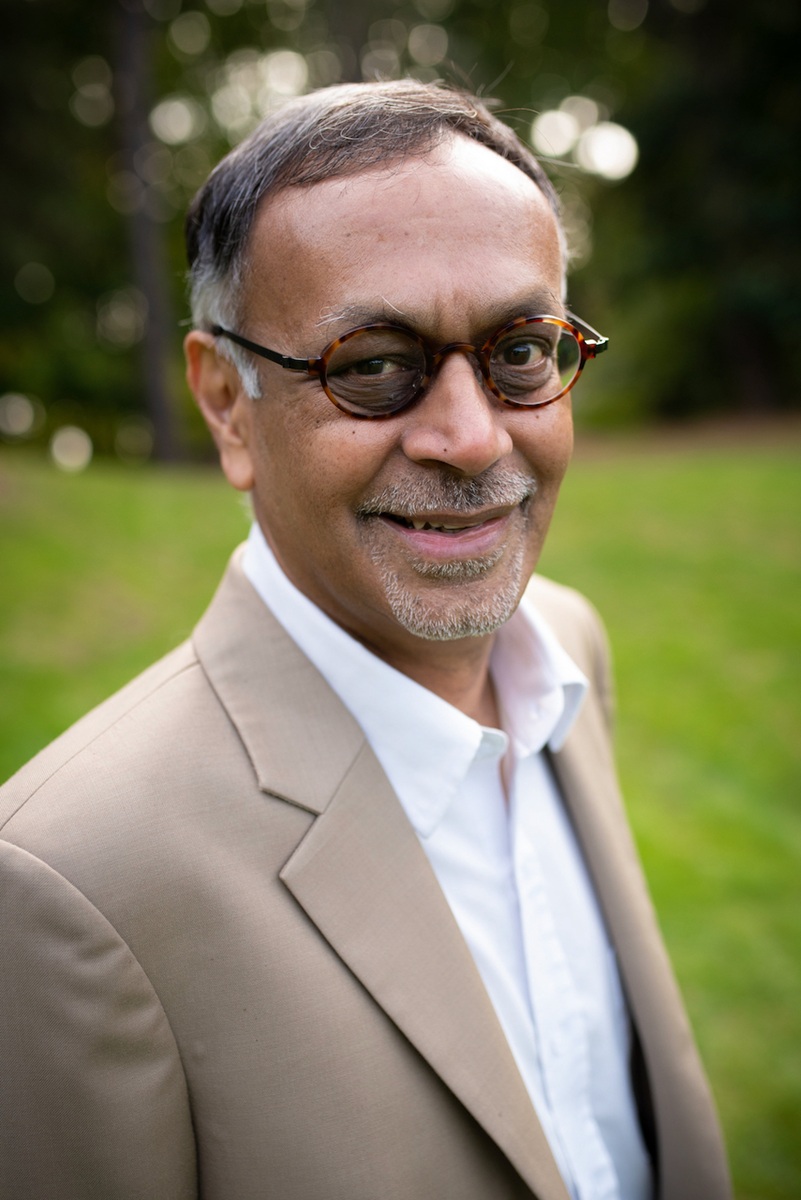
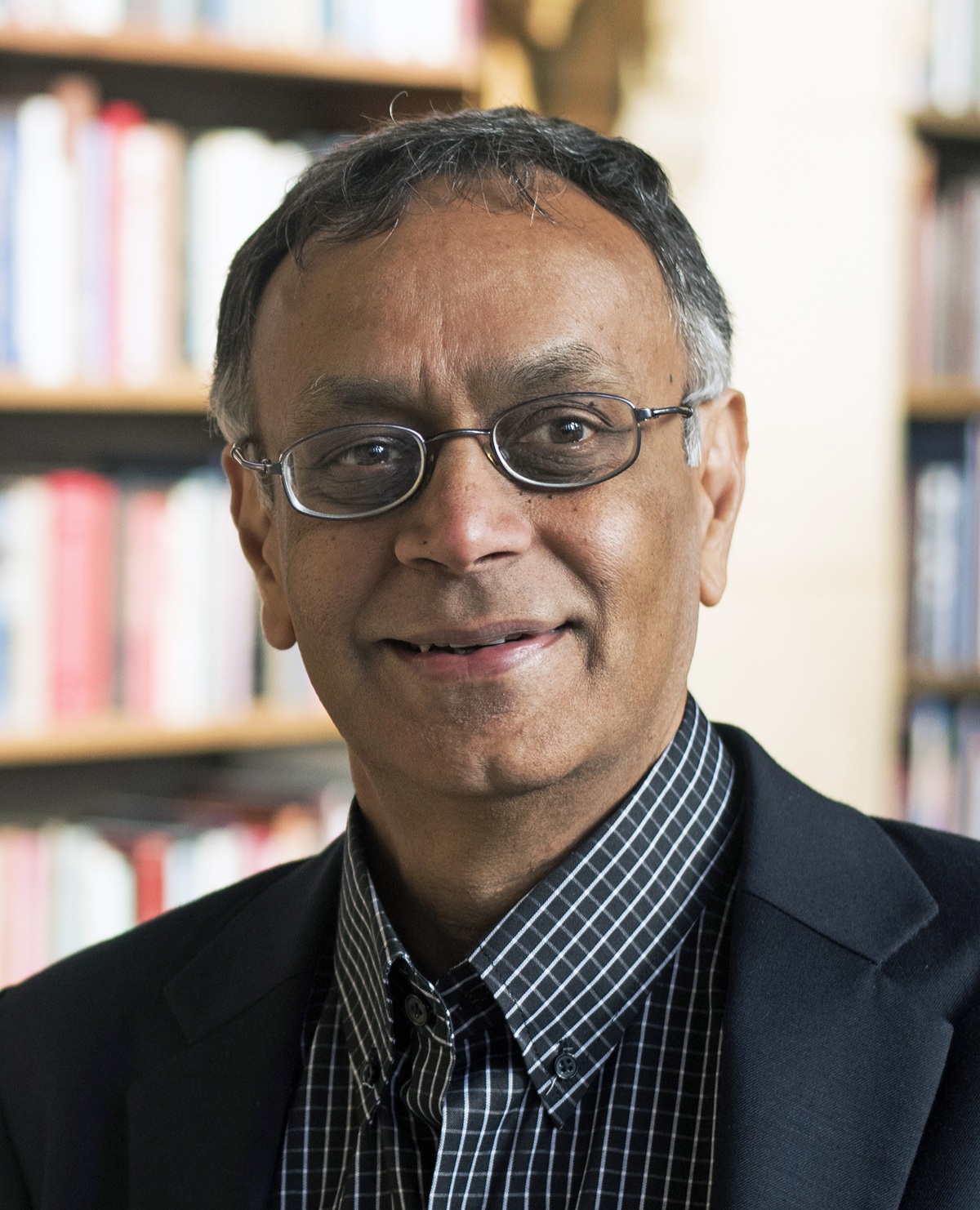
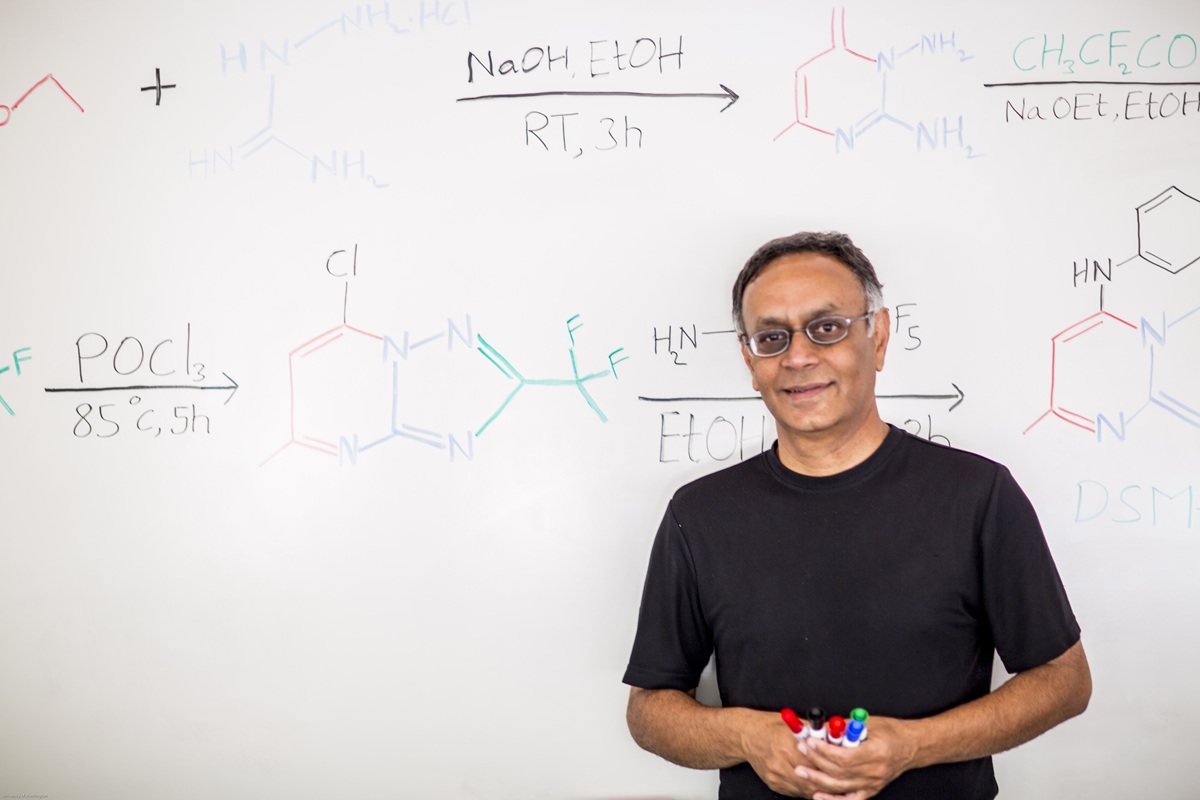
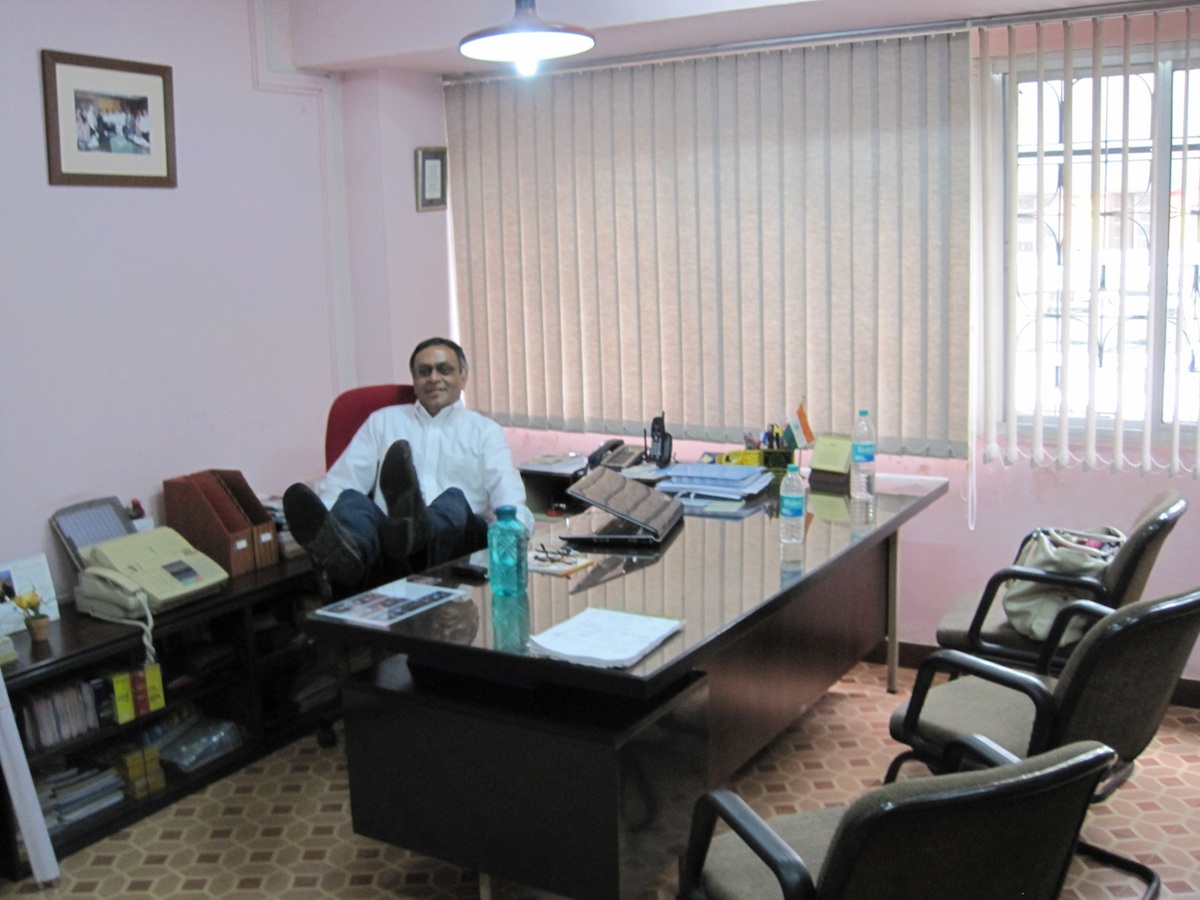
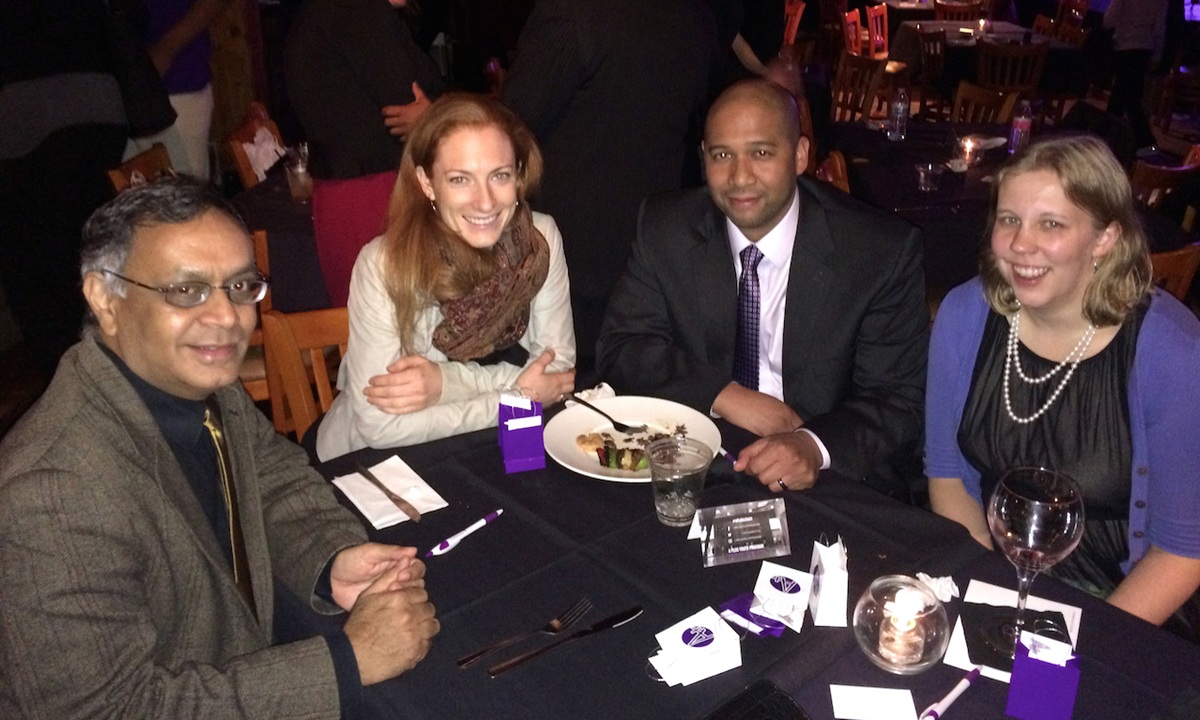
On June 15, 2025, Professor Pradipsinh Rathod retired after 24 years in the Department of Chemistry and was appointed Professor Emeritus.
Rathod joined the University of Washington in 2001, bringing his expertise in malaria pharmacology and the study of genetic plasticity of Plasmodium falciparum to our department. He began his independent career as a professor of biology at the Catholic University of America in Washington, D.C., before making UW Chemistry his academic home.
Born in Dar-es-Salaam, Tanzania, Rathod earned a bachelor’s degree in biology from Portland State University in 1977 and his Ph.D. in biochemistry from Oregon Health Sciences University in 1982, working with Jack Fellman. He pursued postdoctoral research in malaria biochemistry at the University of New Mexico, and in enzymology at Brandeis University and Harvard School of Public Health with Robert H. Abeles and Armen Tashjian. At Brandeis, lab mate and now Stanford Professor of Biochemistry Daniel Herschlag recalled that Rathod “made his decision on what to study by listing the three largest problems to human health – and then choosing one of them.”
Over the course of his career, Rathod insisted on studying Plasmodium rather than easier, but less relevant, model organisms. From 2010 to 2024, he served as the program director of the NIH International Center of Excellence for Malaria Research for South Asia, which investigated the evolution of malaria parasites across the Indian subcontinent and its implications for disease presentation and control. That this highly successful center was led from a chemistry department speaks to Rathod’s global stature in the field.
His contributions were recognized with numerous honors, including the Bill & Melinda Gates Foundation Grand Challenge Exploration Awards (2009–2012), the Medicines for Malaria Venture Project of the Year Award (2010), and the Ellison Medical Foundation Global Infectious Diseases Senior Scholar Award (2002), among many other recognitions.
Beyond his own lab, Rathod strengthened the broader research community by co-chairing major conferences and symposia.
Rathod’s career is distinguished both by his advances in malaria research and by the lasting impact he has had on colleagues and students.
As a teacher and mentor, Rathod guided generations of students and postdocs whose careers now span academia, industry, government, and the non-profit sector. At his retirement celebration in June—attended in person and online by colleagues and alumni from around the world—friends and former trainees described him as “unfailingly encouraging” and expressed gratitude for his dedication to friends and family, and for his humor that carried them through good times as well as hardship.
Rathod’s close personal relationships are reflected in the children of friends and colleagues – some present at the celebration – who affectionately call him “uncle” or “grandpa.”
Although his field work often took him away from the classroom, we will miss having Rathod among our active faculty and look forward to his continued engagement as Professor Emeritus. We celebrate his extraordinary impact on malaria research and extend our appreciation for the friendship and collegiality he shares with our community.
Photos courtesy of Laura Karschney and Rapat Rathod.